Every coastal garden is shaped by wind before anything else. It bends the shrubs, browns the leaves on one side, scours the topsoil and carries salt far enough inland to burn plants that would shrug off the same wind in a sheltered valley. So the first serious decision on most exposed plots is what to put between the garden and the sea.
A solid fence goes up in a weekend. A hedge takes three or four years before it does anything useful. That gap in time pushes a lot of people towards panels and posts, and it is often the wrong call. The right answer comes down to plot size, exposure, budget and how patient you are.
What coastal wind actually does
Inland wind is mostly a matter of strength. Coastal wind arrives with salt in it, and salt does the lasting damage. Spray dries on leaves and draws moisture out of them. Buds on the windward side blacken and fail. Because salt accumulates in the top few centimetres of soil, seedlings and shallow-rooted plants struggle even when they are watered regularly.
Wind also funnels. A gap between a garage and a boundary wall can double local speed, and the corner of a bungalow sends gusts sideways across a border that looks perfectly protected on paper. Before you choose anything, spend a winter noting which direction the worst gusts come from and where they accelerate. That single piece of observation matters more than any rule of thumb.
Why a solid fence can disappoint
A close-boarded fence stops wind dead, and that is the problem. Air piles up on the windward face, spills over the top and comes down behind in a rolling eddy. Within a few metres of the panels you get tumbling, unpredictable air that is often harder on tender plants than the open wind it replaced. Beyond that, the shelter fades quickly.
Then there is the load. Coastal gales push against the whole face of a solid barrier at once, which is why posts rot, panels bow and entire runs lift in storms. Galvanised or stainless fixings outlast cheap plated ones by years, and concrete-set posts beat spikes every time on sandy ground. Timber dries and cracks, metal corrodes, and a fence on an exposed site is never a one-off purchase.
Where a hard barrier earns its place
- Small courtyards and side returns where a hedge would eat the whole space
- Screening a seating corner, bin store or shed at ground level
- Instant privacy where a neighbour overlooks the garden
- Dog-proofing or child-proofing a boundary
- Buying time while a hedge establishes behind it
If you do go solid, keep it low and add a permeable top: a slatted or trellis section above the boards lets some air through and cuts the downdraught. In England, garden fences are generally permitted development up to around two metres, with tighter limits beside a highway, but conservation areas, listed buildings and exposed coastal sites can all change that. Check with your local planning authority before ordering timber.
How a living windbreak works
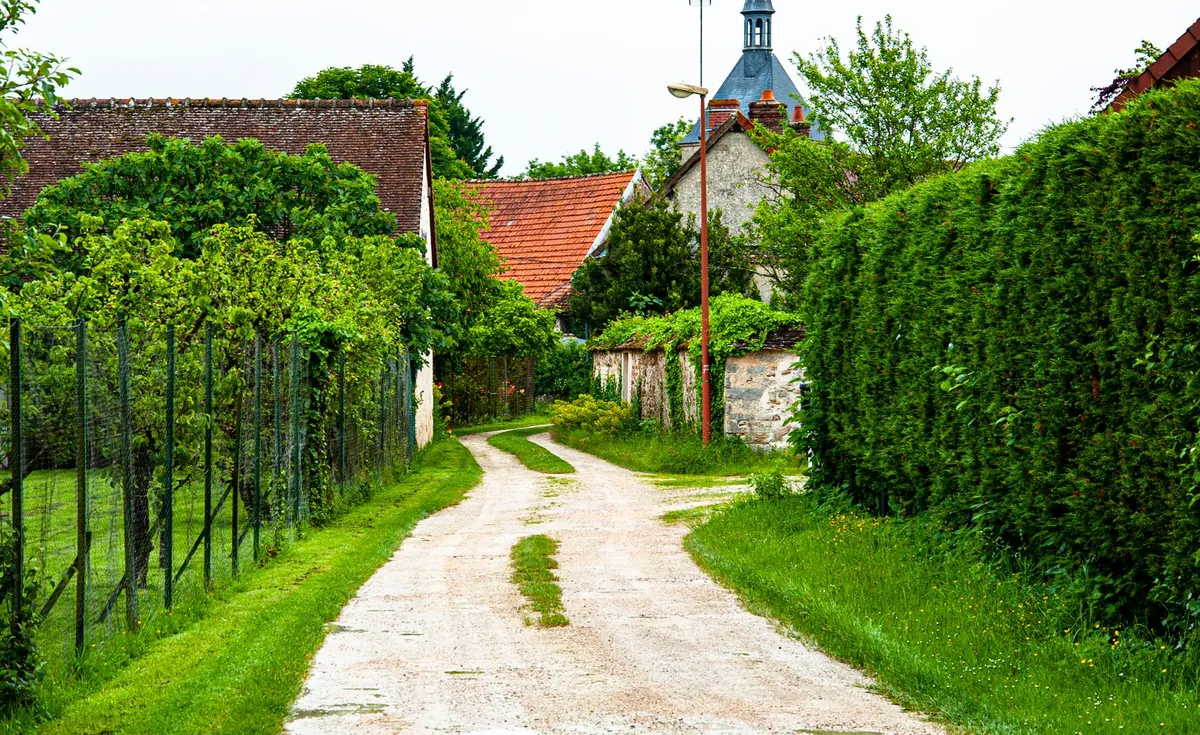
A hedge does not block wind, it filters it. Air passes through twigs and leaves, loses speed, and arrives on the other side as a gentler, more even flow. Aim for a screen that is roughly half open — dense enough to slow the wind, porous enough to let some through. Shelter of that kind reaches much further than the lee of a solid panel, and it rises as the hedge grows.
Salt tolerance is the first thing to get right. Reliable coastal hedging includes Griselinia littoralis, Escallonia, the daisy bushes (Olearia), Pittosporum tenuifolium, Elaeagnus × eburnea and holm oak. Sea buckthorn, hawthorn, blackthorn, elder and wild privet are tougher native options that feed birds and insects, while Rosa rugosa makes a low, prickly front line that shrugs off spray. Griselinia and pittosporum want mild, sheltered conditions — ideal on a Cornish or Devon cliff, risky in a cold frost pocket.
Plant bare-root whips in the dormant season, in a double staggered row about 45–60cm apart, and mulch well. Water through the first two summers, and run a temporary permeable screen on the windward side to get them through the worst of it.
Cost and upkeep over ten years
A fence costs money now and again later: replacement panels, rotten posts, rusted brackets, annual treatment. A hedge costs less at planting, especially as bare-root whips, then asks for water, weeding and one or two clips a year. Neither is free, but over a decade the hedge usually wins — provided you plant species suited to your soil and exposure. Get two or three quotes for any fencing work, and ask specifically about fixings and post footings.
Wildlife value, honestly compared
A mixed hedge is one of the best things you can give wildlife: nesting cover, berries, catkins, shelter for insects and a corridor for bats and small mammals. A fence offers far less, though gaps at the base help hedgehogs and drilled holes can host solitary bees. There is also a salt effect worth knowing. Rain running off a fence drips in a concentrated line at its base, so the soil there stays saltier and drier, which is why the border behind a coastal fence often looks thin and tired.
Using both together
The best coastal gardens rarely choose one or the other. A low wall or a short run of slatted fence gives immediate shelter around a terrace, with a hedge planted behind it to take over as it matures. On larger plots, two tiers work well: a low, dense front hedge of Rosa rugosa or escallonia, and a taller line of olearia or holm oak behind. The fence does the short-term job, the plants do the long-term one.
A practical plan for a windy plot
- Watch the wind for a full winter and mark the worst gusts with canes.
- Check boundary ownership, covenants and any planning restrictions.
- Plant bare-root whips in double staggered rows in mild, damp weather.
- Protect them with permeable netting, never solid sheeting.
- Mulch, water and keep grass away from the stems for two years.
- Clip lightly and often to build density rather than height.
Go easy on nitrogen feed, which pushes soft growth that salt and gales shred. If your soil is thin sand over shingle, work in compost or well-rotted seaweed and accept that plants will grow more slowly than they would inland. And if boundaries, covenants or anything structural are involved, take advice from a local surveyor or your council's planning team before committing.
Photo: Jing Zhan / Pexels