A border that faces the sea is judged harshly. Wind strips moisture from leaves, salt burns tender new growth, and the soil is often thin, sandy and quick to dry. Anything soft, tall or greedy simply gives up by August.
None of that means settling for a few grey grasses and a tamarisk. Plenty of perennials not only cope with the conditions but look better for them — tighter, greyer, more compact. Here are ten I would plant again in a windswept seaside border, with notes on where each one earns its keep.
What separates a survivor from a casualty
Salt tolerance isn't one single trick. Plants that manage on an exposed coast usually have several of these features, and if a candidate has two or three of them, it's worth a try:
- Grey or silver foliage — hairs and wax reflect strong light and trap salt before it reaches the leaf surface.
- Small, narrow or needle-like leaves — less surface area for wind to dry out.
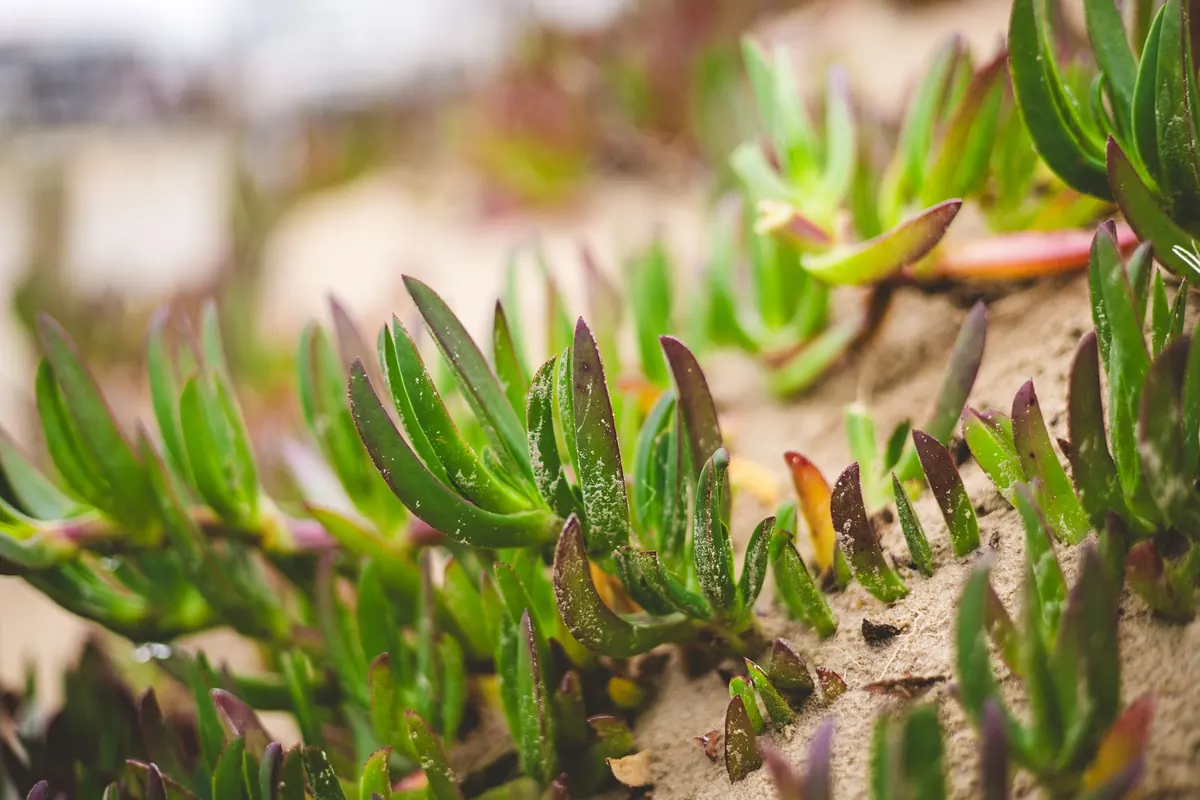
- Fleshy leaves and stems — built-in water storage for dry spells.
- Deep taproots or spreading rhizomes — anchorage in thin, sandy ground.
- A low, mounding habit — less sail area for the wind to batter.
Ten perennials that earn their place
- Sea thrift (Armeria maritima) — a native of clifftops and salt marsh, and about as reliable as it gets. Grassy cushions throw up pink globe flowers from late spring into summer. Twenty centimetres at most, so it suits the very front of the border or a gravel seam. Trim the spent stems to keep clumps neat.
- Sea kale (Crambe maritima) — big, blue-grey, crinkled leaves and frothy white heads in early summer. It grows on shingle in the wild, so give it sharp drainage and room: up to 75cm across. It vanishes underground each winter, which is normal — mark the spot. Slow to settle, then very long-lived. Buy nursery plants rather than helping yourself from a beach.
- Sea holly (Eryngium x zabelii) — steel-blue thistle heads on stiff stems from midsummer into autumn, holding their colour for weeks. It resents disturbance, so choose the position carefully and then leave it alone. Sixty to ninety centimetres, and genuinely indifferent to drought.
- Lavender (Lavandula angustifolia 'Hidcote') — compact, deep purple and happiest in thin, limy soil. At the coast the only real rule is drainage: plant into grit, mulch with gravel and never let the crown sit wet through winter. Prune lightly straight after flowering, keeping the secateurs above the old, leafless wood.
- Rosemary (Salvia rosmarinus) — upright forms such as 'Miss Jessopp's Upright' make a loose evergreen screen at the back; prostrate forms spill over a wall. Both flower early for bees. Rosemary takes salt and wind and dislikes being fussed over: no feeding, no rich compost.
- Catmint (Nepeta x faassenii) — grey-green foliage and soft lavender-blue spikes from late spring. It isn't rigid, so plant it in a drift where the stems jostle and hold each other up. Cut the whole clump back after the first flush and you'll often get a second round in late summer.
- Cotton lavender (Santolina chamaecyparissus) — silver, woolly foliage that looks good all year, topped with small yellow buttons in summer. Clip it after flowering to keep it dense, and again, don't cut into bare wood. Thirty to fifty centimetres, ideal along the edge of a path.
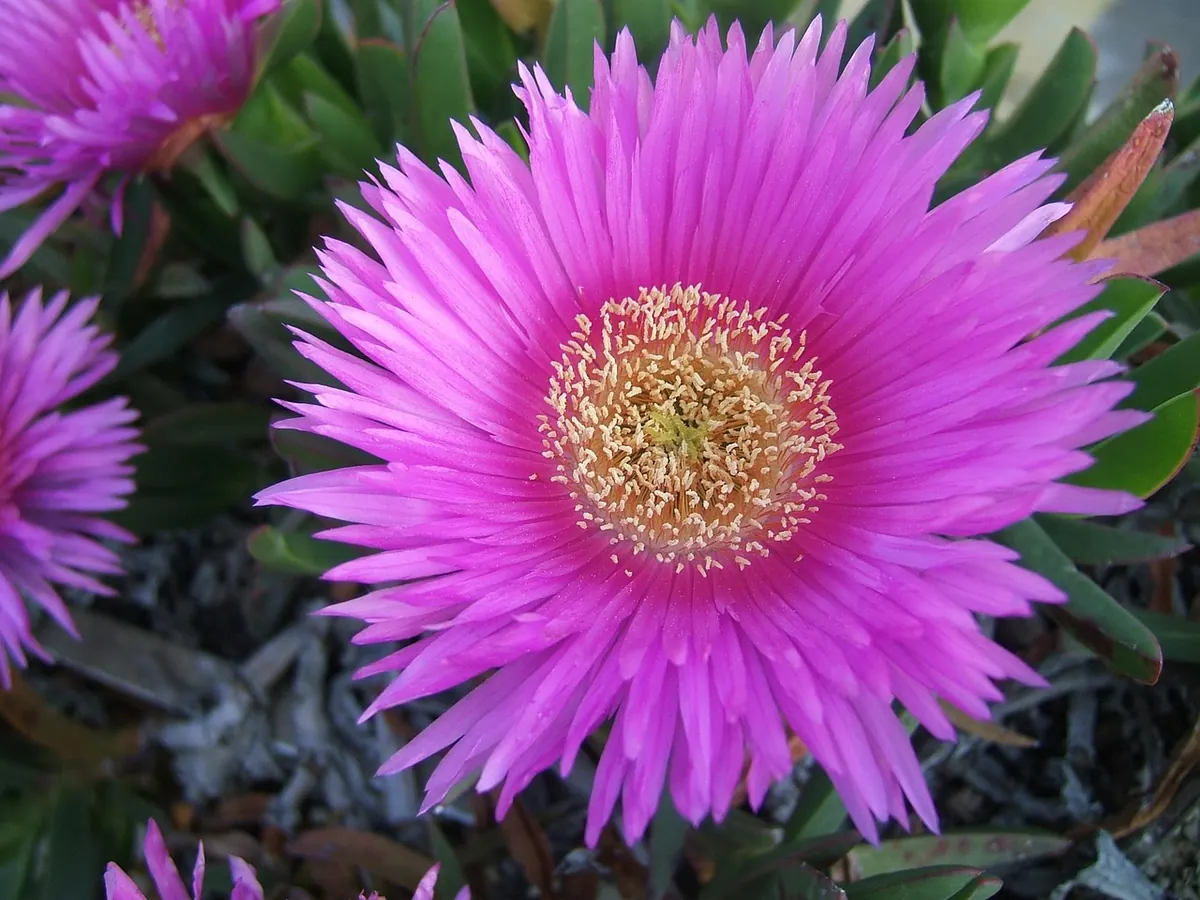
- Stonecrop (Hylotelephium spectabile) — thick, fleshy leaves carry it through drought and salt, and flat heads of pink open in late summer before fading to rust-brown seedheads worth leaving for the winter. Lean soil keeps the stems stocky; too much richness and they flop.
- Yarrow (Achillea filipendulina 'Gold Plate') — flat mustard-yellow plates on grey-green stems, flowering for weeks in midsummer. Deep roots make it drought-proof once established. It can be short-lived on heavy, wet ground, so divide clumps every few years in spring.
- Thyme (Thymus vulgaris) — low, woody and aromatic, with pink or white flowers that pull in bees. Perfect between gravel and paving, or tumbling over a low wall. It needs air around its roots and a dry winter; if your soil holds water, grow it in a raised bed or a pot.
Planting: drainage first, food last
Sort the soil before you buy a single plant
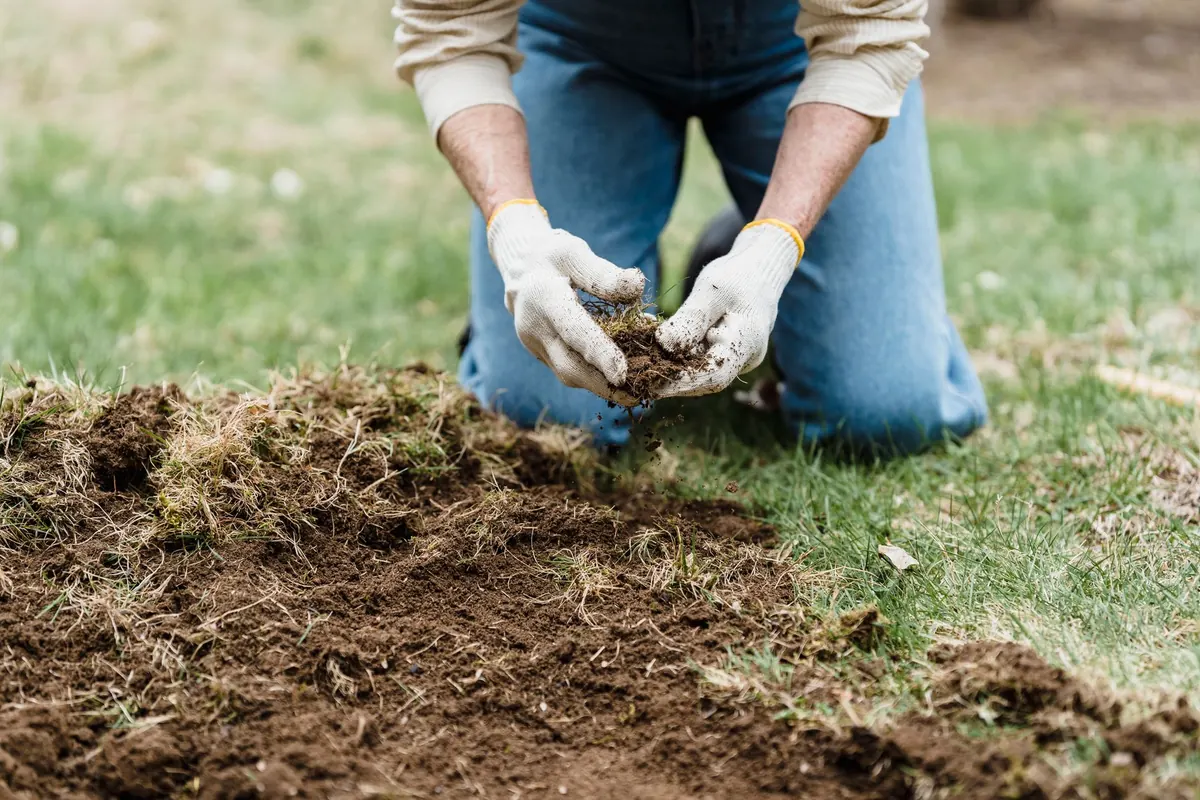
Coastal borders fail far more often from wet roots than from wind. Work in horticultural grit or sharp sand, and if you garden on clay, plant on a slight mound or build a shallow raised bed. Don't fill the planting hole with manure or rich compost — soft, sappy growth is exactly what salt and wind will shred.
Shelter, not a wall
A solid fence or wall sends wind over the top and down again in a damaging swirl. A permeable barrier — a slatted screen, a mesh fence or a low hedge — filters the wind and calms the whole border. If you want a hedge, keep it low and clip it twice a year.
The first summer
Plant in autumn on light soils and in spring on heavy ones. Water thoroughly at planting, then give each plant a deep soak about once a week through dry spells in its first year. After that, stop. A 5cm gravel or shell mulch keeps foliage off wet soil, suppresses weeds and looks right at the coast.
Care through the year
- Spring: cut back last year's stems before new growth starts, divide catmint and yarrow, top up the gravel mulch.
- Early summer: deadhead the first flush on catmint and yarrow for a second showing; leave sea holly and stonecrop standing for seedheads.
- Late summer: prune lavender, rosemary and santolina while there's still warmth for regrowth.
- Winter: leave structure standing, keep off wet ground, and check drainage around crowns after storms.
Don't feed. These plants are adapted to lean conditions, and a dose of general fertiliser simply produces floppy growth that the wind will flatten by July.
Putting the border together
Repeat in drifts of three or five rather than dotting one of everything about — repetition is what makes a windy border look deliberate. Work front to back: thyme, thrift and catmint at the edge; lavender, santolina and stonecrop in the middle; rosemary, sea kale, sea holly and yarrow behind. Add a grass or two for movement, such as blue fescue, and let the greys and silvers do the linking.
Start with five, not ten
If this is your first season on an exposed site, plant sea thrift, lavender, catmint, stonecrop and sea holly. Get them in during autumn, water them properly through their first summer, mulch with gravel, then step back and watch which ones settle fastest. Fill the gaps next year with the others, choosing plants that match what has already thrived. Give it two or three seasons and the border will look settled, not struggling.
Photo: Cristina_designer / Pixabay