The sea is why you garden here, and it is also why half your plants sulked through last winter. Coastal plots fail in predictable ways: too much salt, too much wind, thin hungry soil, and a plant list borrowed from a catalogue written for sheltered inland gardens. None of these problems is hard to solve once you can see them clearly. These are the seven mistakes that come up again and again on this stretch of coast, along with the fixes that genuinely work.
1. Choosing plants by the label instead of the wind
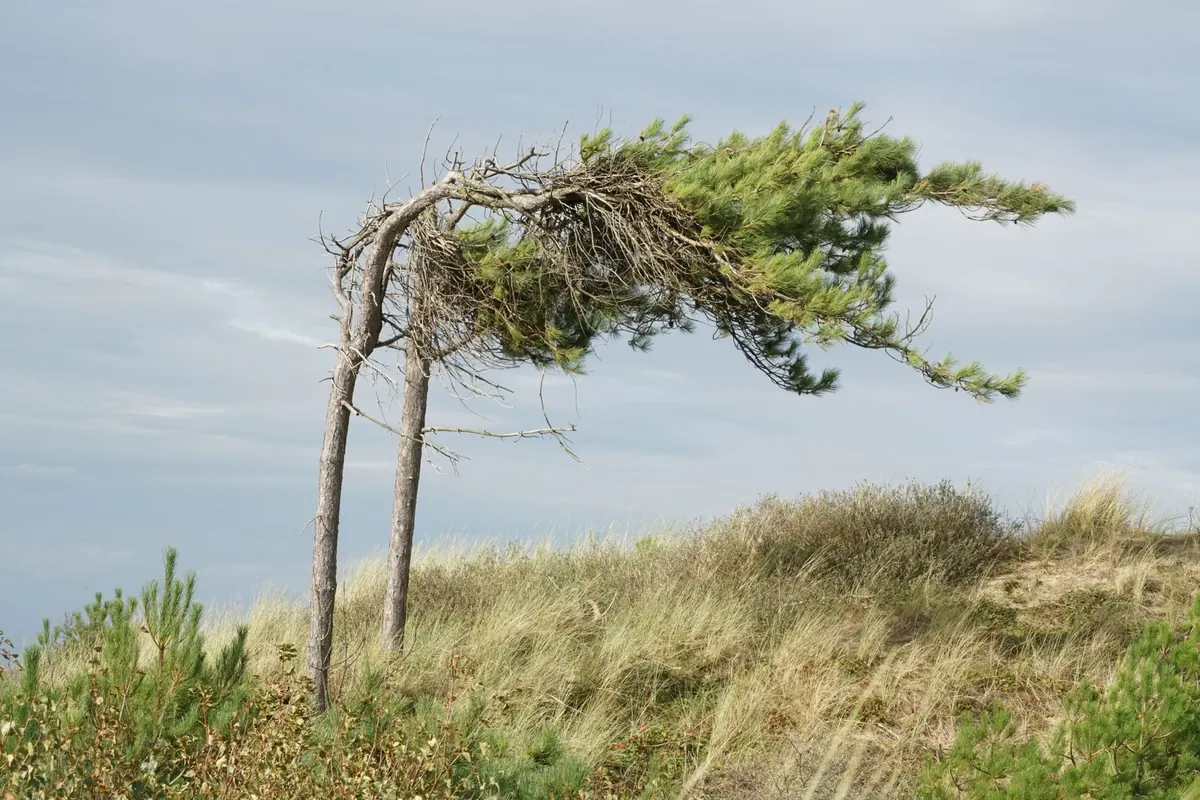
A mild coastal winter is a trap. The hardiness rating on a plant label assumes still air and sheltered conditions. Add salt spray, constant wind chill and a free-draining soil, and the effective hardiness of your garden drops noticeably below the number printed on the pot.
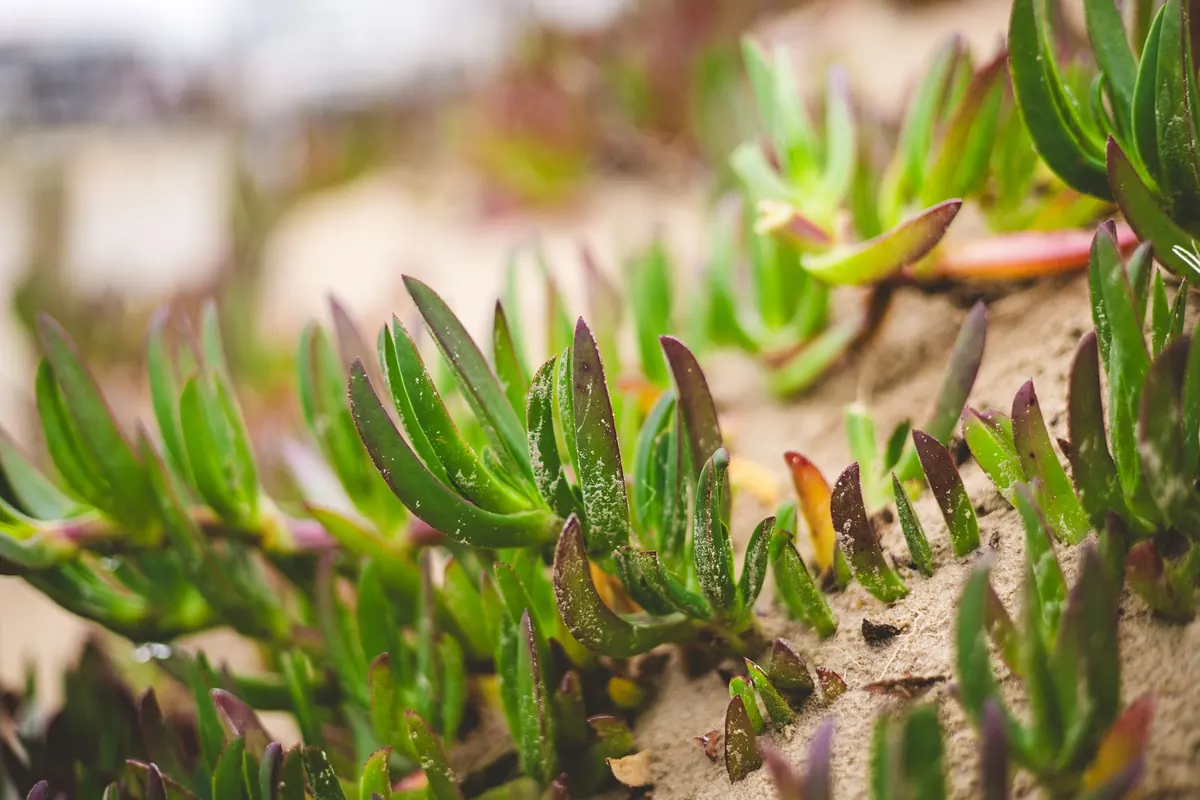
Read leaves rather than labels. Small, leathery, silver, hairy or needle-like foliage is built for salt and wind. Big, soft, glossy leaves shred in a single gale. Escallonia, Griselinia littoralis, Olearia, hebe, rosemary, lavender, Crambe maritima, sea thrift, eryngium, sedum and most ornamental grasses will shrug off what a hydrangea will not.
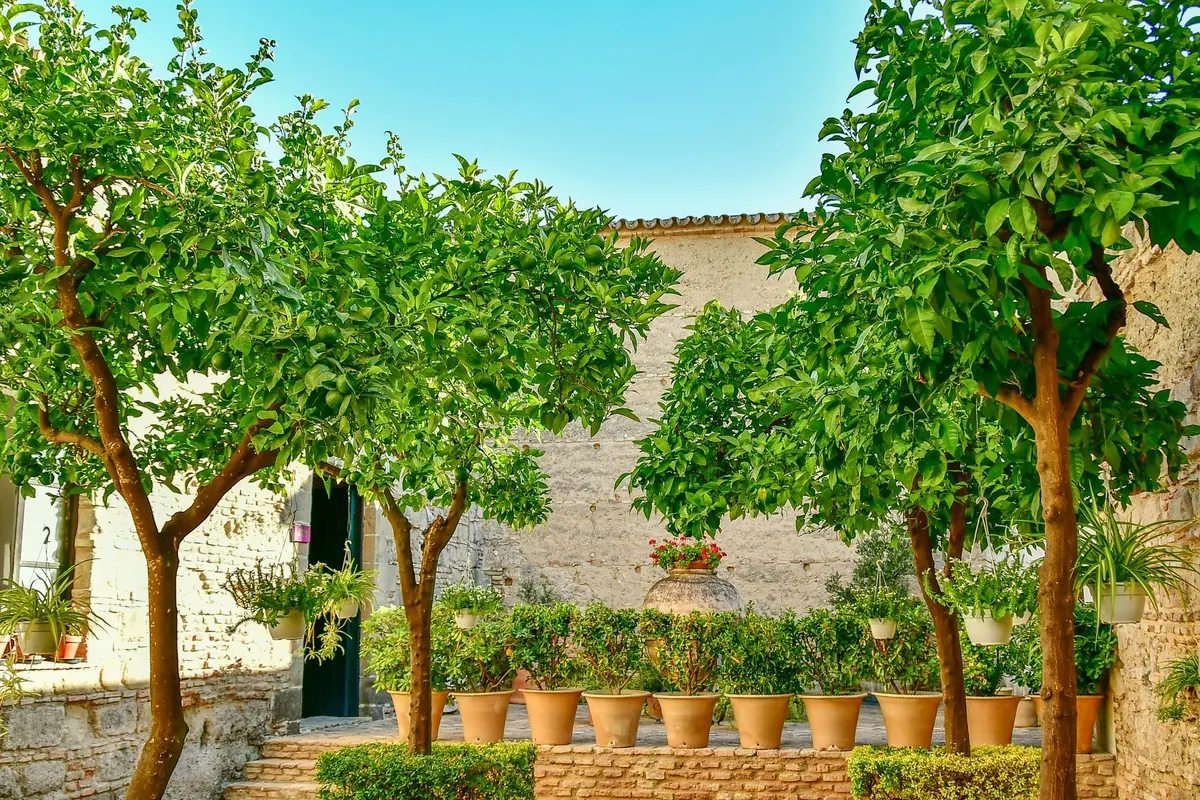
Tender plants — tree ferns, citrus, most palms — are not impossible, but they need a warm south-facing wall, a corner out of the wind and fleece on the coldest nights. Plant them in late spring rather than autumn so they have the whole season to root before their first winter.
2. Underestimating how far salt travels
Salt does not stop at the sea wall. In a gale it travels a long way inland as fine spray, landing on leaves and drawing moisture out of the tissue. The symptoms are easy to misread as drought or disease: brown scorched margins on the windward side of a shrub, evergreens turning bronze, blackened buds in spring, seedlings that collapse overnight.
Salt also accumulates in the topsoil, where it makes life hard for germinating seed. A few habits make a real difference:
- Work out your prevailing wind direction and map the exposed side of the garden. That edge is a different climate from the patio behind the house.
- Plant a sacrificial front line of fast-growing, salt-tolerant shrubs. Expect it to look battered; it is doing a job.
- Rinse foliage with fresh water after a gale, in the morning, so leaves dry before nightfall.
- Go easy on high-nitrogen feeds, which push soft growth that salt will burn. Never feed late in the season.
- Mulch each spring to dilute salt in the surface soil, and water deeply rather than little and often.
3. Building a solid fence and expecting it to work
A solid panel fence looks like shelter and behaves like a sail. Wind hits it, rises over the top, then drops violently on the lee side, creating eddies that snap stems and rock rootballs loose. The calm zone behind it is short. Beyond that, the wind reattaches and arrives harder than before. Uplift in a winter storm also tends to remove solid fences entirely.
You want a barrier that filters wind rather than blocks it — roughly half of it should pass through. Slatted panels, hit-and-miss boards, willow or hazel hurdles and open trellis all work. A mixed hedge of escallonia, griselinia, sea buckthorn or hawthorn is better still, because it slows wind at every level and repairs itself.
- Fix the shelter before you plant anything valuable behind it.
- Combine a permeable fence with a hedge a metre or two downwind of it.
- Keep hedges tapered — wider at the base than the top — so wind cannot lift them and light still reaches the lower branches.
- Check with your local planning authority before changing boundary heights or structures, especially on protected or exposed coastlines.
4. Treating coastal soil like ordinary garden soil
Sandy, gravelly, thin and often alkaline, coastal soil drains in minutes and holds onto very little. Nutrients wash straight through, the surface blows about in dry weather and plants are thirsty within a day of watering.
Mulch is your main tool. Spread five to seven centimetres of well-rotted compost or leafmould over the soil each spring and let the worms take it down, rather than digging it in and destroying what structure you have. Water deeply and less often, soaking the root zone so roots grow down instead of sitting near the surface. Keep bare ground covered with low ground-cover plants or gravel. On light sandy soil, autumn planting is a good bet: the soil stays warm and roots keep growing through mild spells.
5. Planting and staking badly
Planting
Small plants establish faster than large ones. A two-litre pot will usually overtake a hefty rootballed specimen within two seasons, and it suffers far less in its first winter. Plant at the right depth, slightly proud on heavy ground, water in thoroughly and mulch, keeping the mulch clear of the stem.
Staking
Stake low and angle the stake into the prevailing wind. Use a flexible tie in a figure of eight so the trunk can still move slightly; a rigidly fixed tree grows a weak trunk. Remove the stake after two seasons.
New evergreens are the most vulnerable, because they lose moisture through their leaves all winter. Give them a temporary permeable windbreak on the exposed side for their first year, and never plant them out into the teeth of an autumn gale.
6. Pruning and feeding as if the weather will not notice
Hard pruning in early autumn leaves fresh wounds and exposed wood just as the salt-laden gales arrive. Prune after flowering, or in late spring, and take it in stages rather than cutting back hard in one go.
Remember that griselinia, escallonia and most other coastal evergreens will not reshoot from old, bare wood. Trim them lightly and regularly instead of scalping them. Feed sparingly, and stop feeding by midsummer so growth has time to harden before winter. Strip badly scorched leaves if they are spoiling the look of a plant, but do not remove every bit of foliage — a plant needs something left to photosynthesise with.
A workable order of operations
Map the wind first. Fix shelter next, using something permeable, and hedge behind it. Improve the soil with mulch and steady deep watering. Choose tough, salt-tolerant plants for the first few seasons and save the experiments for a sheltered corner once the structure is in place. Rinse foliage after gales, prune gently after flowering and resist the urge to feed your way out of a problem.
A coastal garden is slower to settle than an inland one, but it is rarely dull. Once the shelter and the soil are right, the plants that survive will seed about, the hedges will thicken, and the whole plot will start holding its own against the wind.